The Impact of AI in Formula 1
A deep analysis of how artificial intelligence powers strategy, engineering, performance optimisation, and competitive advantage in modern Formula 1.
Artificial intelligence has become one of the most decisive competitive tools in Formula 1. Every major team now relies on AI-driven modelling to refine aerodynamics, simulate thousands of race scenarios, analyse drivers’ behavioural patterns, and make engineering decisions that once depended on intuition alone.
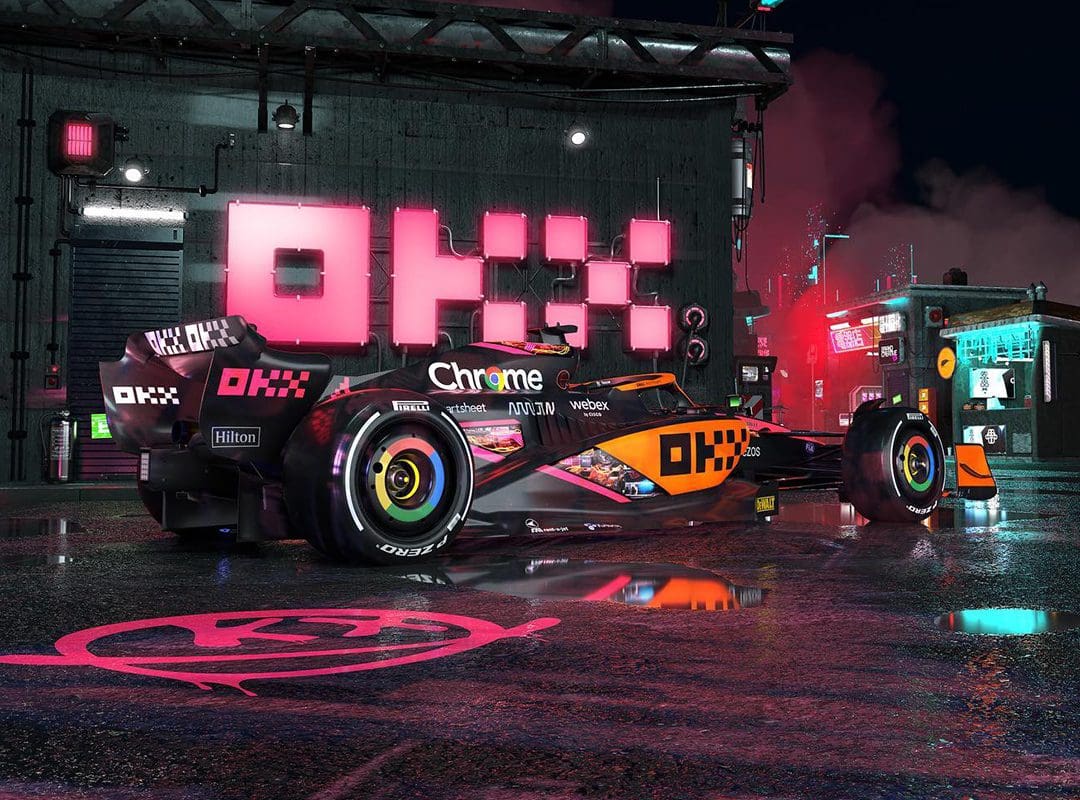
How AI Shapes Modern F1 Engineering
Teams process millions of data points every race weekend. Sensors spread across the power unit, gearbox, suspension, chassis, tyres, and even the driver’s biometrics continuously stream telemetry.
AI models analyse this data in real time to detect anomalies, predict failures and automatically recommend engineering responses.
This shift allows teams to prevent component breakdowns, adjust thermal loads, and optimise fuel-energy deployment long before issues occur. Predictive maintenance alone has saved teams both performance loss and millions in potential penalties.
Race Strategy Powered by Machine Learning
Strategy units now depend heavily on Monte-Carlo-based simulations—often running hundreds of thousands of race permutations each weekend. AI systems evaluate:
- Tyre degradation curves
- Track evolution
- Overtaking probability
- Pit-window modelling
- Competitor behaviour patterns
- Virtual safety-car and full safety-car likelihood
- Weather volatility
This modelling gives strategists near-instant clarity on undercut/overcut feasibility, optimal lap timing for pit stops, and risk-weighted decision-making.
This is why top teams often appear “predictive”—the machine already calculated the move.
Driver Performance Analysis
AI also acts as a virtual performance engineer for drivers.
Telemetry from throttle maps, braking pressure, steering traces and tyre slip is compared against ideal racing lines generated by machine learning. The system identifies micro-inefficiencies invisible to the naked eye.
Drivers receive targeted insights such as:
- “Brake 2 meters earlier at Turn 9.”
- “Reduce mid-corner steering correction by 3%.”
- “Increase throttle commitment 12 meters sooner on exit.”
This transforms training sessions into data-driven optimisation loops, giving drivers more consistent lap-time improvements.
Aerodynamic Development
Wind-tunnel time is restricted by FIA regulations, making AI simulation indispensable.
Teams now use AI-accelerated CFD (Computational Fluid Dynamics) models to evaluate thousands of aerodynamic shapes far faster than traditional solvers.
These models analyse:
- Flow separation zones
- Turbulence intensity
- Drag vs. downforce trade-offs
- Yaw-sensitivity
- Dirty-air behaviour during overtakes
The outcome is quicker iteration cycles and more aggressive aero concepts—crucial in the cost-cap era.
Competitive Advantage and Future Direction
AI has turned Formula 1 into a hybrid battlefield of human instinct and algorithmic dominance.
Teams with better data pipelines, cleaner telemetry, and faster modelling infrastructure gain measurable race-winning advantages.
The future trajectory includes:
- Full AI-driven virtual car setups
- Predictive-race execution systems
- Reinforcement-learning race strategies
- Near real-time aerodynamic shape adaptation
- Advanced biometrics-to-strategy integration
As AI matures, Formula 1 will shift even further into computational racing—where milliseconds are earned through algorithms as much as through engineering.